Gathering highlights and photos by Donna Short 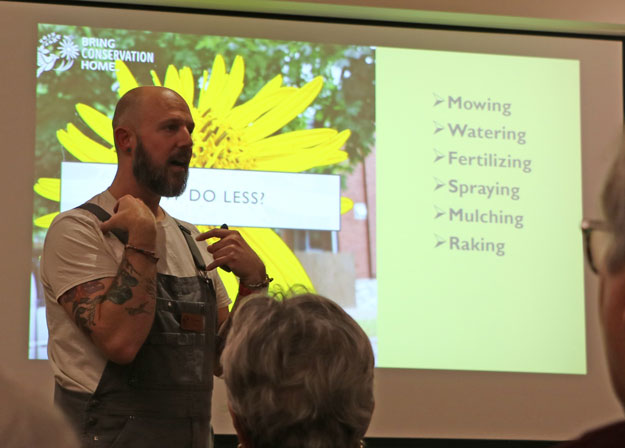
Do More by Doing Less: Ways to Reduce Yard Maintenance and Increase Habitat Quality for birds and other wildlife
Presented by: Dan Pearson, Director of St. Louis Audubon Society’s Bring Conservation Home program
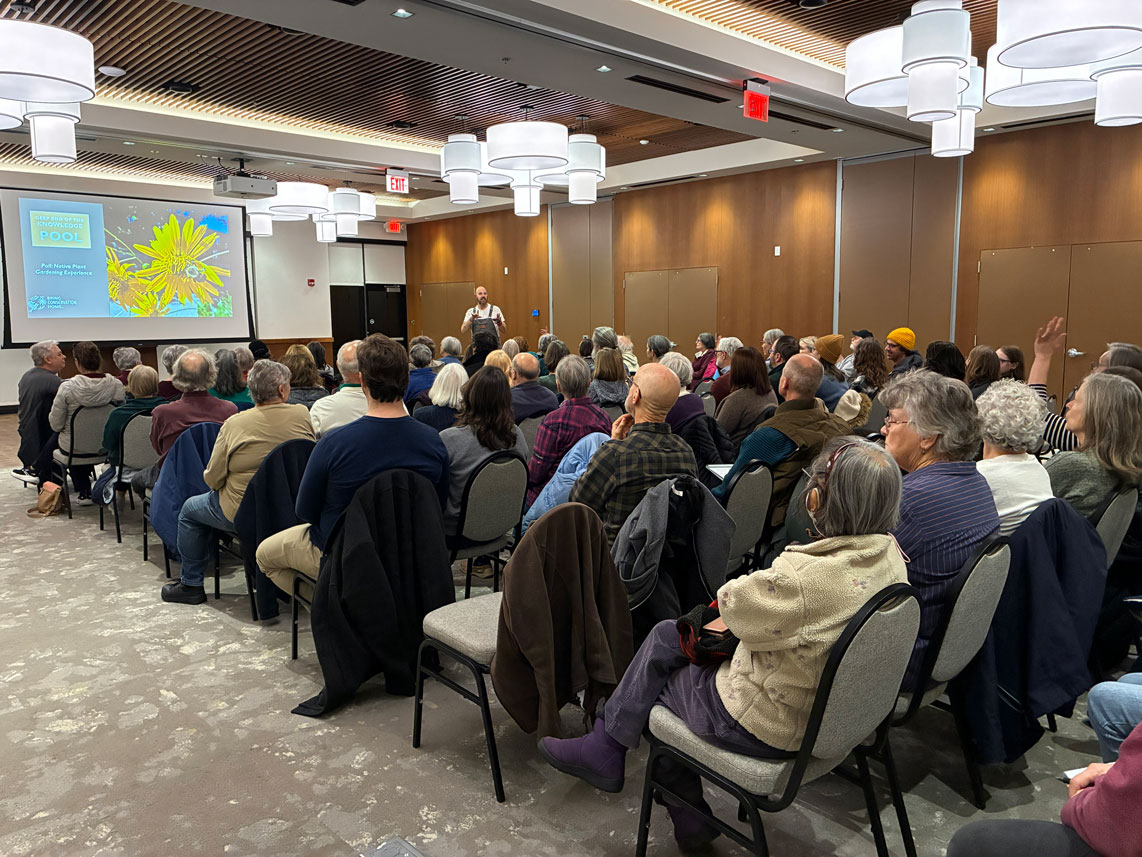
Dan’s presentation was a cross between a quiz show and a therapy group! He started out by complimenting the knowledge base of the audience and then involved the group to make it an outstanding interactive event!
The premise is that with the right investment of time, energy, and resources upfront, we can substantially reduce overall landscaping maintenance requirements while providing a wide range of ecosystem benefits for wildlife and humans alike. This presentation explored tips and strategies to make the most of what we have by working with, rather than against, nature.
The first point was “why” we do certain garden chores:
- Tasks we do because we think we’re supposed to
- What or who is maintenance for? This is most commonly due to local ordinances or wanting to provide an attractive appearance.
- Why do so many people ask for low maintenance recommendations? Dan mentioned that this is the most common request on BCH Site Visits.
- To what extent should we care what others think about our landscaping choices?
The next consideration is why we should do less of specific chores such as mowing, watering, fertilizing, spraying, mulching, raking and cleanup. There were many reasons ranging from noise and ground water pollution to harm to wildlife and/or plants.
Here are pointers on the best ways to do less!
- Green mulch – planting ground covers throughout
- Massed planting -dense grouping of the same or similar species
- Max Density – plants in close proximity
- Natural Design – no specific design
- Sub-optimal Conditions – growing aggressive plants in areas outside of their recommended environment
- Regular Check-ups – monitoring invasive plants regularly
When doing more can help us do less…things to help us avoid a problem later. Such as clearing invasives and unwanted vegetation, assess the site conditions and pick the right plants for the condition, plan for stormwater and build relationships with neighbors.
Dan, asked for Most Valuable Plant Nominations which resulted in a wide-ranging variety of responses.
Succession: What do we expect to happen in our garden? Controlling aggressive plants and adding new species.
Senescence: Devise strategies to prepare for age limitations and factors which may prevent you from tending your garden.
What can you do less of in 2026? This is a good time to think about your own garden and how you can work smarter and/or eliminate unnecessary activities.
Dan announced Marsha Gebhardt, Wild Ones St Louis President, was recently awarded her Bring Conservation Home Platinum Certification. Congratulations, Marsha!
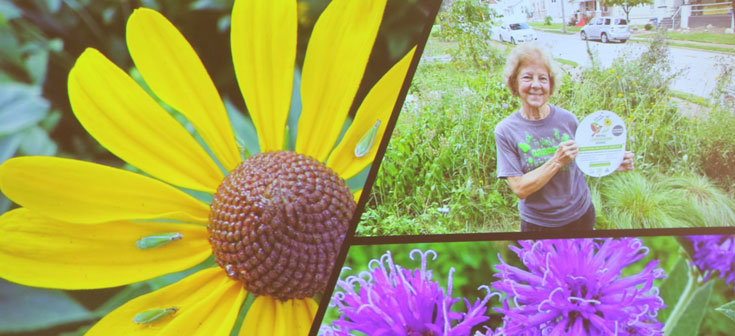
This summarizes the event but doesn’t capture the many comments and tips that were shared during the presentation!
NOTE: If you are a Wild Ones Member you will receive a 50% discount on a Bring Conservation Site Visit.
Dan Pearson directs St. Louis Audubon Society’s Bring Conservation Home program, providing ecological landscaping consultations, certification assessments, and outreach education to improve landscapes for the benefit of wildlife and human communities across the St. Louis region. He chairs the steering committee for the St. Louis Native Plant Garden Tour and the Partners for Native Landscaping Series and was named “2022 Watershed Hero” by the River des Peres Watershed Coalition. Bring Conservation Home was awarded “Conservation Organization of the Year” by the Conservation Federation of Missouri in 2023.
The Wild Ones Winter Speaker Series has been approved by Grow Native! for in-person CEUs for Grow Native! certified professionals.