Replacing Lawn with Native Plants at Home
March 26, 2026 Native Plant School Class at Shaw Nature Reserve
Summary by Jen Sieradzki, Manager of Native Plant Horticulture for Shaw Nature Reserve
Instructors:
Taylor Heuermann – Rainscaping Coordinator, Earthways Center – a division of Missouri Botanical Garden
Jessica Griffard – Experiential Learning Coordinator, Missouri Botanical Garden
Taylor and Jessica started the class by asking the participants why they are interested in native plants as a lawn replacement. Most of the participants were from St. Louis city and county and lived in neighborhoods. They felt surrounded by green turf grass yards and disconnected from nature. Some of the comments were that they no longer want to mow, and they want a manageable landscape that isn’t reliant upon chemicals and watering. Several wanted to incorporate benefits to wildlife into their yard and attract insects and birds. One woman said she wants butterflies NOT mosquitoes! One gentleman said that all he has is clay and deer so traditional landscapes with non-native plants just won’t work for him. The class reacted with laughter when someone said, “I’m rebelling against suburban sameness!”
Lazlo Mathis, a Shaw Nature Reserve employee, was attending the class and shared a book that inspired them. The book is titled, We Are the ARK: Returning Our Gardens to Their True Nature Through Acts of Restorative Kindness, by Mary Reynolds. The author is a gardener, conservationist, and city planner. You can find the We are the Ark website here https://wearetheark.org/. The movement encourages people to give at least half of their garden space back to nature and to provide any ecosystem services that are absent in your yard; acknowledging that native plants are the foundation stone to a healthy ecosystem.
The class then discussed Homegrown National Park, an organization co-founded by Doug Tallamy that encourages people to remove invasive plants and plant native plants to address the biodiversity crisis. https://homegrownnationalpark.org/
To understand where the concept of lawn came from, Taylor and Jessica spoke historically about where the modern idea of a “lawn” may have originated. Originally land was needed for feeding livestock or for growing food, not grass, or it was allowed to be wild. The concept of a green, grassy and manicured lawn may have taken hold in 17th century European aristocracy. Lawns became symbols of wealth and social standing. Having a lawn required a huge labor force and symbolized economic might and dominance over nature.
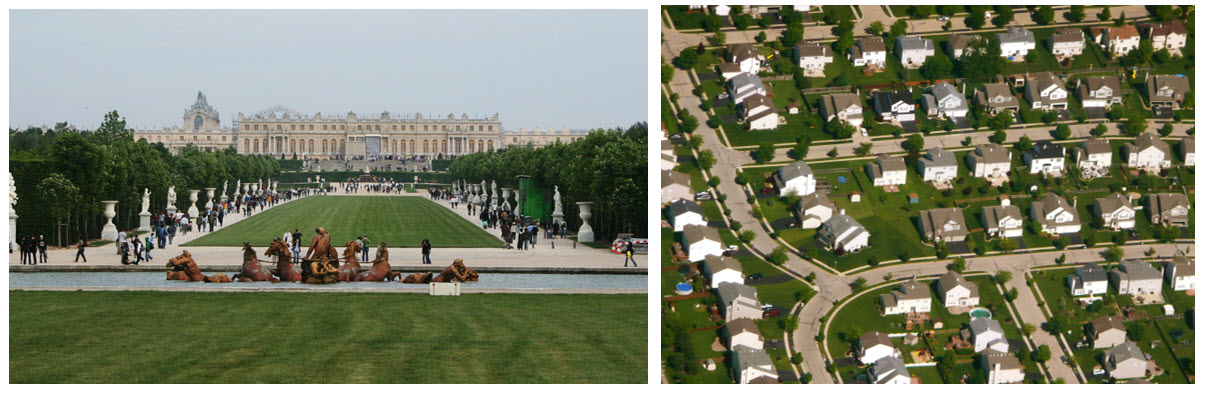
Modern-day lawns consume around 9 billion gallons of water daily, introduce multiple toxins into our ecosystem, and offer little to no refuge for the wildlife that once thrived in these spaces. Turf grass lawns are not beneficial to soil structure and exacerbate stormwater issues in urban areas.
Taylor discussed how deep and strong native plant root systems improve soil structure, which in turn encourages water to infiltrate and drain, making the water available for the plants. Whereas shallow rooted turf grass leads to poor soil structure that does not drain well and allows water to pond or run off. This contributes to potential flooding events in strong storms.
One Water Missouri is a collaboration between the Missouri Department of Natural Resources, Missouri Botanical Garden, and MidAmerica Clean Future. You can find information about it on the Ducks Unlimited website https://www.ducks.org/conservation/one-water-missouri. It is an education and awareness campaign focused on the impacts of nutrient pollution on water quality, and the collective strategies people and communities can do to mitigate these environmental problems.
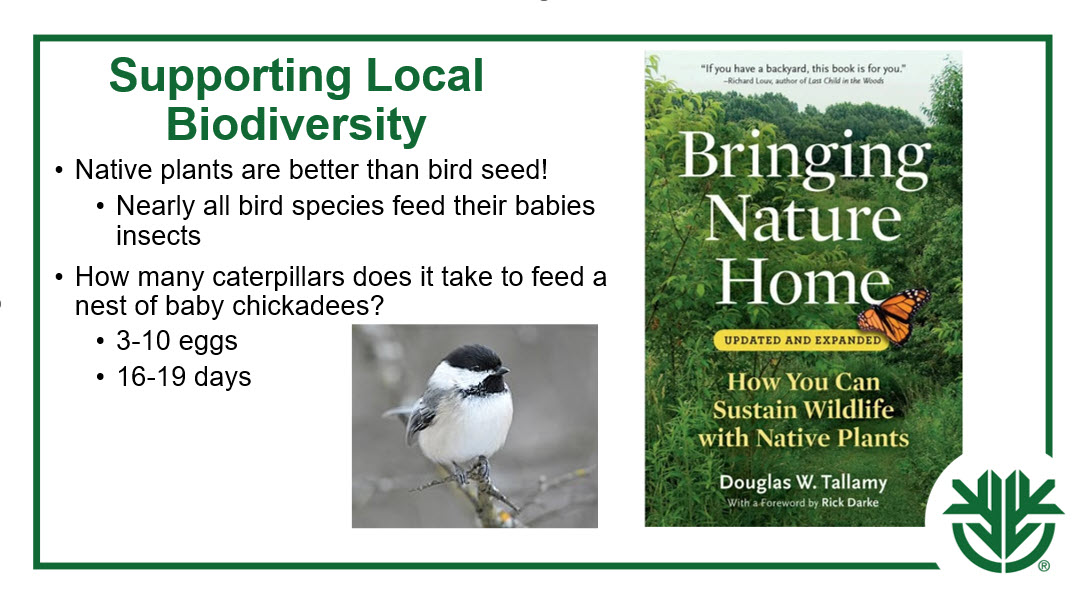
Taylor and Jessica then discussed how native plants support local biodiversity and introduced the class to the concepts in Doug Tallamy’s books. Many class attendees were amazed at how many caterpillars it takes to raise one clutch of chickadees and how important native plants are for supporting insects.
Case study – “An Idea”
Jessica shared a case study of her own yards’ transformation from turf grass to native plants. In 2021 she and her husband were sitting in their backyard when he turned to her and said, “I have an idea”.
After he shared that he wanted to plant native plants in their yard, Jessica admitted that she felt unsure about the whole idea. While she works for the Missouri Botanical Garden, Jessica specializes in Education and Outreach and felt as though native plants were something she did not understand.
They decided to start small…always a good idea. They started with a fence row in the backyard and learned two things: that they wanted to enlist some professional guidance to help them create a plan and that native plants would become their teachers.
Jessica and her husband learned about the nuances of native plants and how the plants spend the first few years using their energy to grow deep, resilient root systems. They learned patience and let the Baptisia australis stay where it was planted because it’s busy developing a taproot. They even started to see Monarch butterflies in their yard on the Liatris pychnostachya. Still, they wanted a plan – a road map – to keep them on track and to ensure the project was successful.
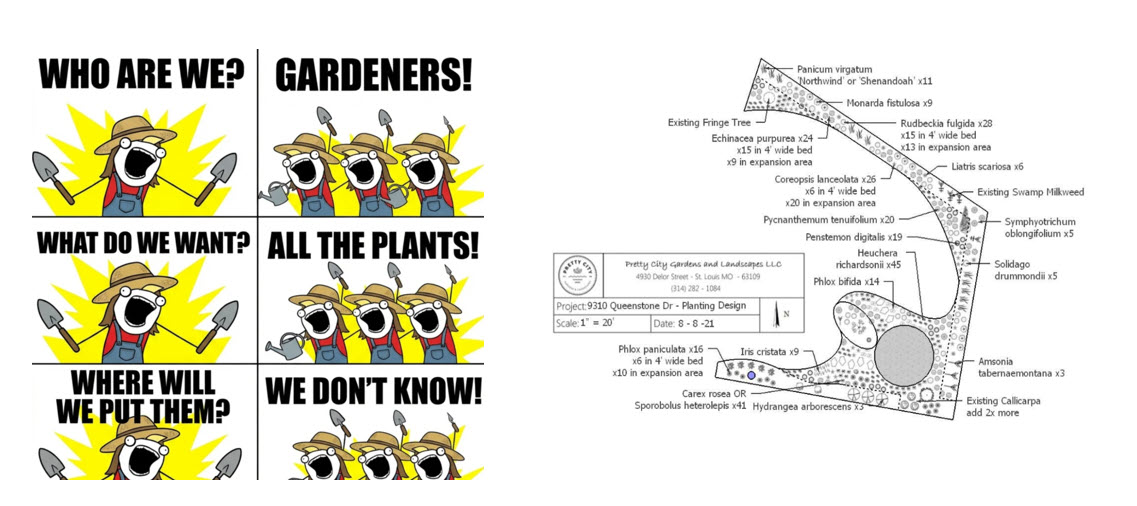
They hired Cody Hayo from Pretty City. He listened to what they hoped their yard could be transformed into and then developed a design to guide them through the process. With this map of their yard, they knew how many plants to purchase and where to plant them. The next spring, when plants were emerging from the ground, Jessica could look at her map and know exactly what was coming up and confidently identify it.
While some folks are experienced gardeners and might not need a map, it’s invaluable for someone who isn’t familiar with native plants. It can mean all the difference between a successful native plant transformation and a failed attempt. To bring in the next generation of native plant gardeners it’s important to meet them where they are at.
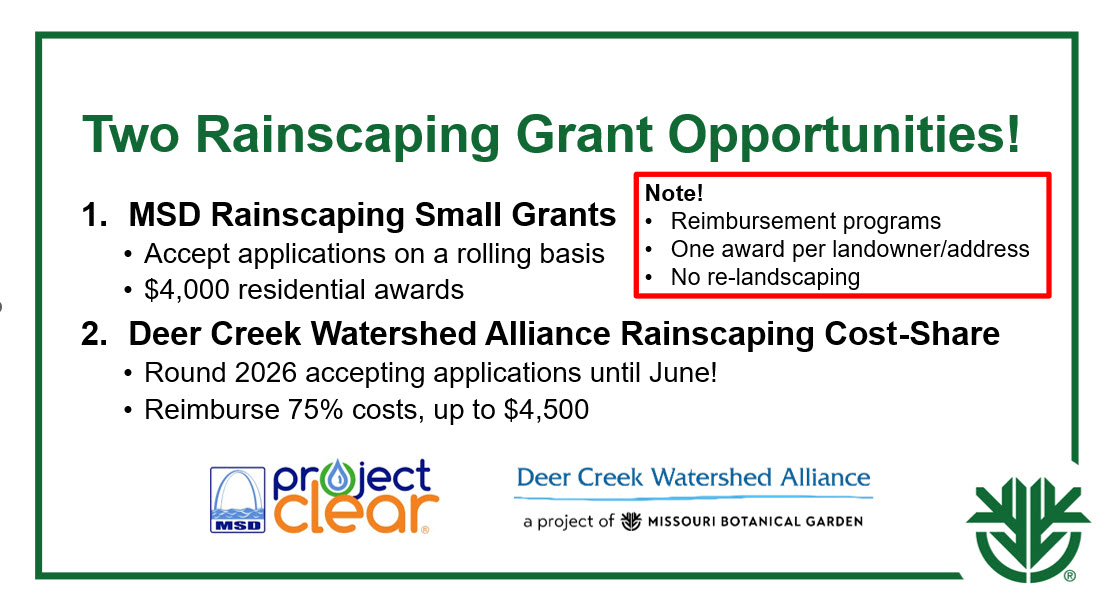
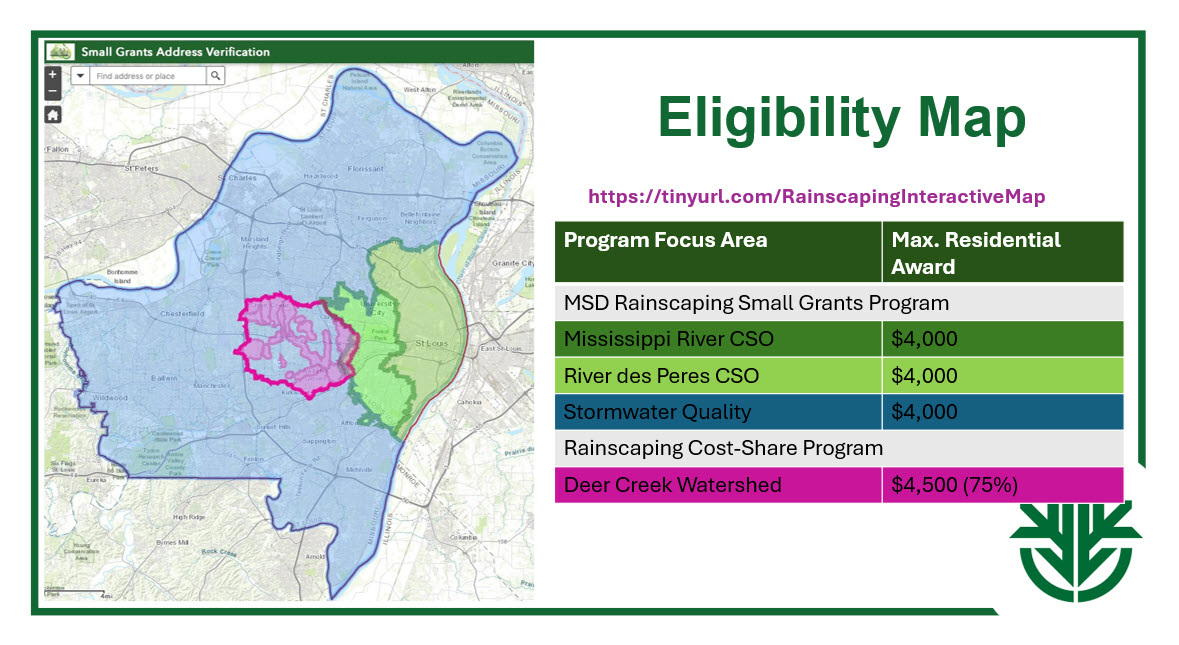
Jessica was also given information on potential grants that could help them with the costs of their new yard. She applied for one of the Project Clear and Deer Creek Watershed Alliance grants and was awarded the funding. With a plan, teachers, funding, and newly learned (earned) confidence, the next step was to transform their front yard too!
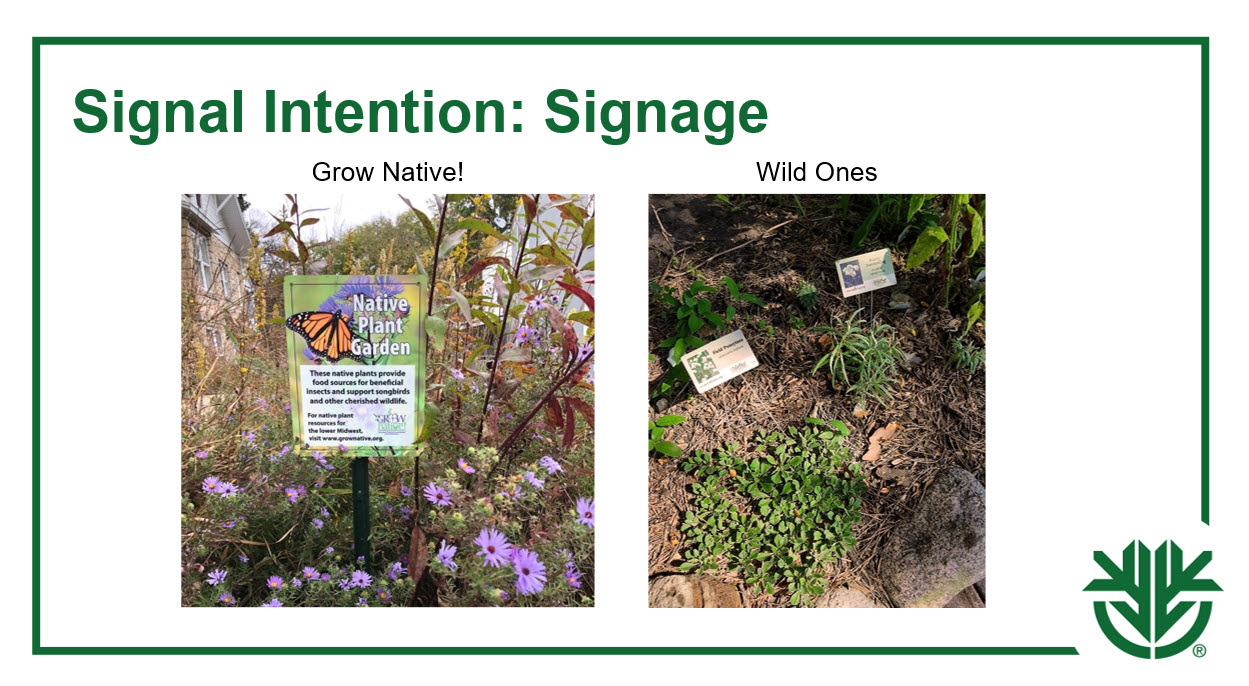
Once they began work in their front yard, they found that curious neighbors would stop to ask about what they were doing. Jessica developed a deeper sense of community with her neighborhood. She emphasized to the class that including educational signage in the front yard was important. It really built anticipation for what the yard would become. Dog walkers would slow down to read the signs about pollinators. It was a way to educate and share progress.
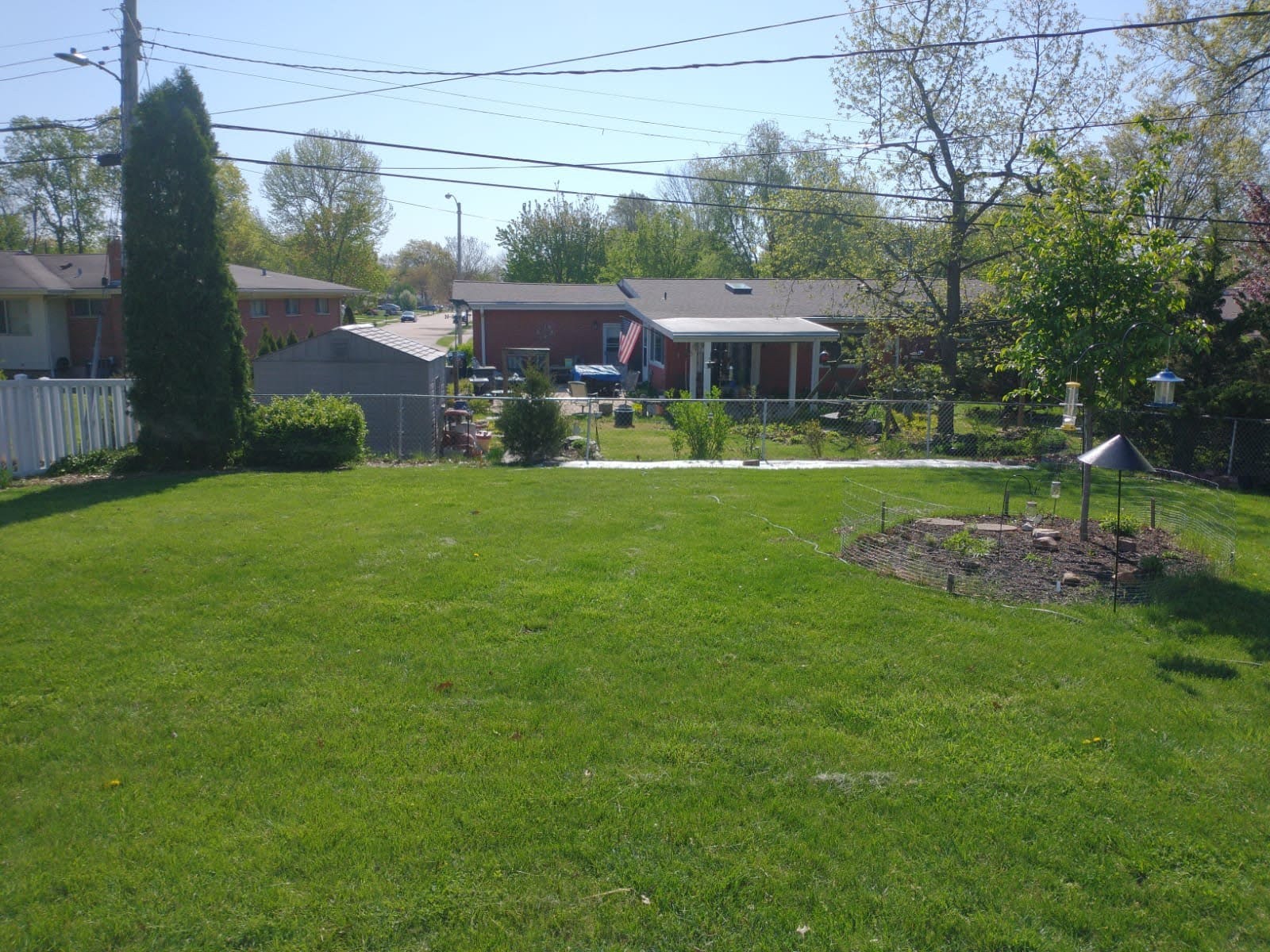
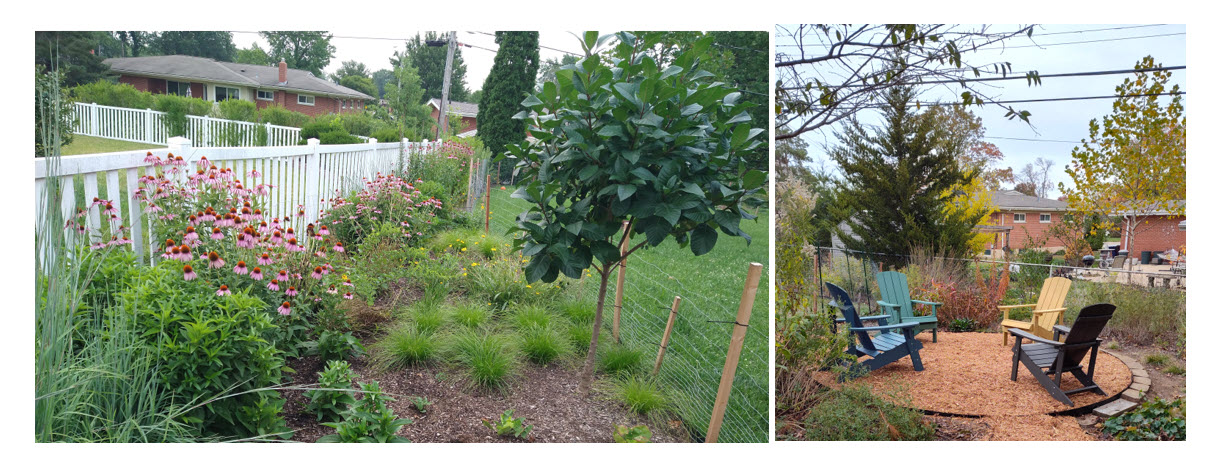
Jessica’s backyard went from this…To this!
And the front yard went from this… To this!
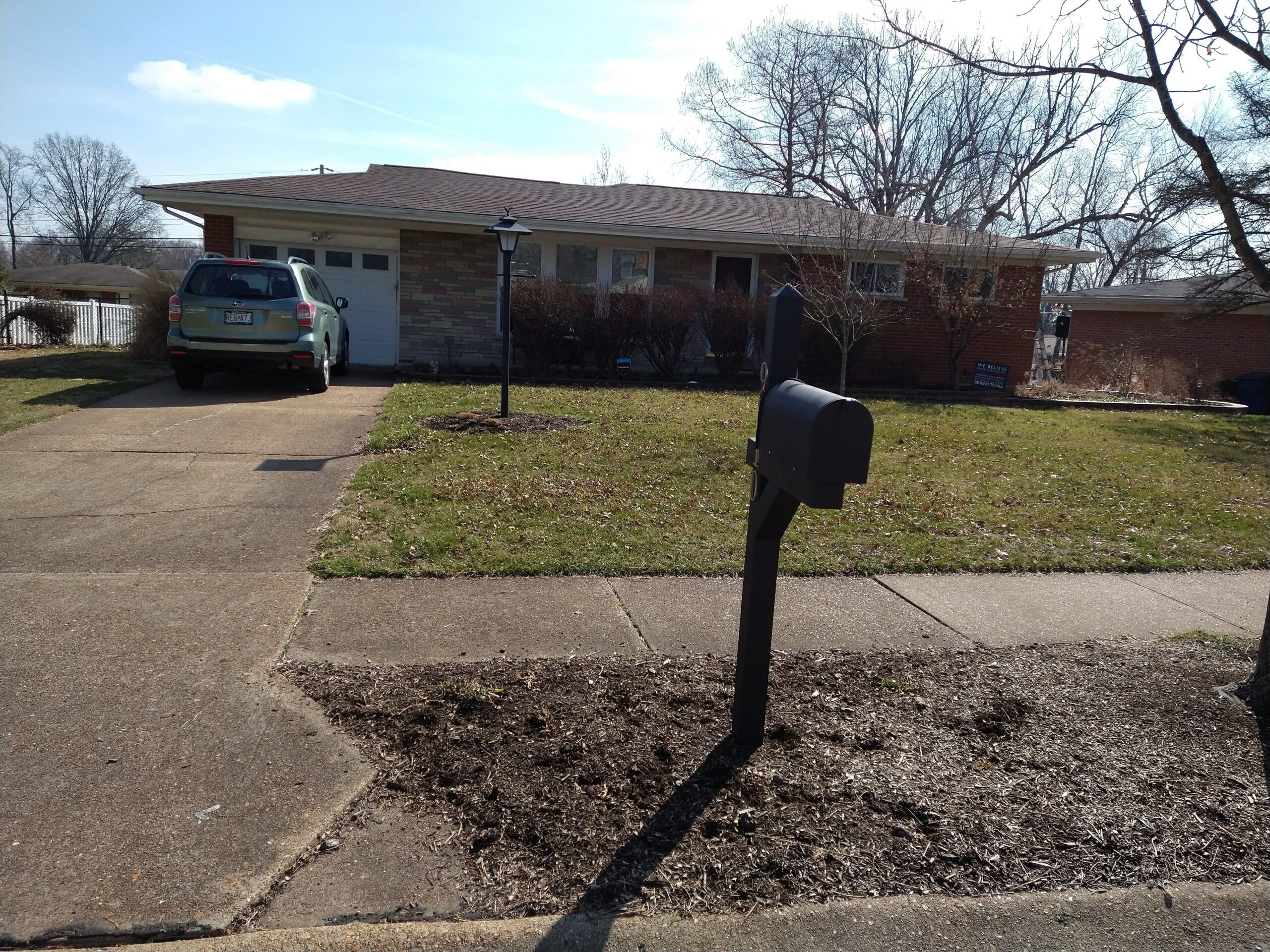
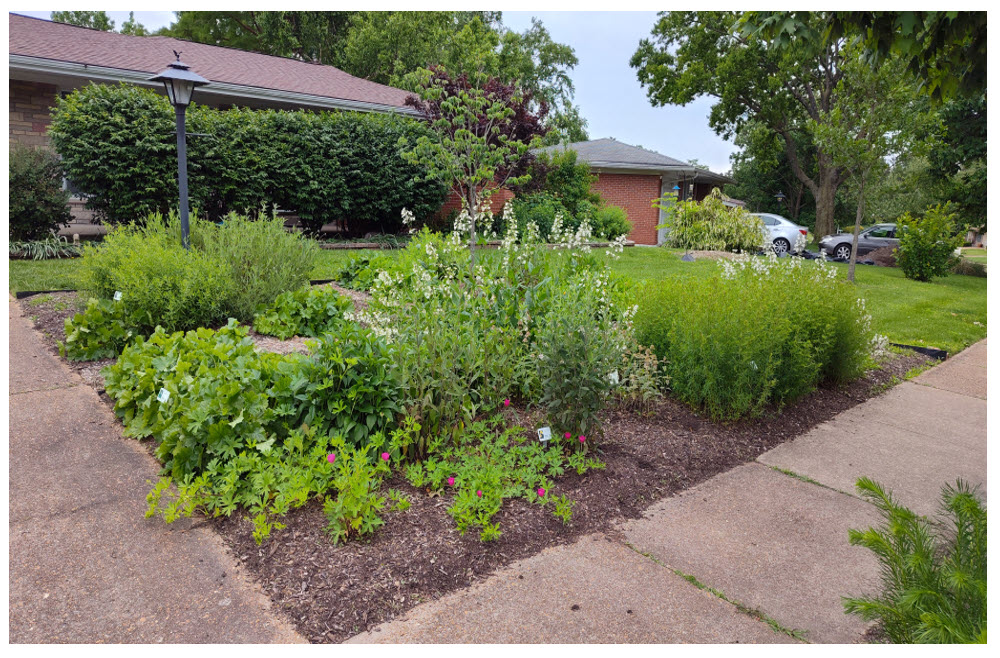
They started the transformation in 2021 and by 2025 they were seeing fireflies, bees, lots of bird species that they hadn’t seen before, and their back porch security camera even caught a fox sneaking into the native plants!
Taylor and Jessica shared many resources with the class including Grow Native! landscape plans, the Wild Ones website, St. Louis Audubon Society- Bring Conservation Home website, and information on the grant opportunities available through MSD and Deer Creek Watershed Alliance. They also included the Grow Native! Resource Guide and pointed to a long list of professionals that can help with the process.
Going through the process of creating a native plant and wildlife oasis in their own yard helped Jessica and her husband to develop a different way of thinking. Jessica admitted that before they started the project her thoughts were often…what do I want, what do I need, what would make be happy? Now she likes to think about what the Earth asks of us.
Yea Wild Ones! We are gardeners!