Gathering highlights by Donna Short
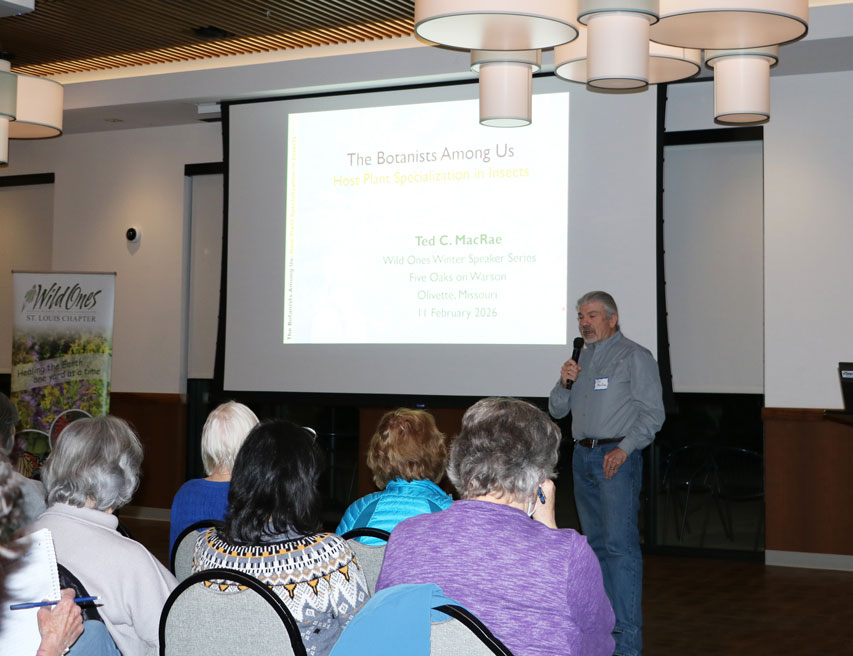
Photo by Donna Short
The Botanists Among Us: Host Plant Specialization Insects
Presented by: Ted C. MacRae
Ted’s presentation displayed his enthusiasm for insects and knowledge of their role and evolutionary development. Insects have been associated with plants since the origins of both groups, and in some species the association is not only exclusive but mutually obligate. Ted provided an overview of the many ways in which insects have evolved to rely on plants based on his years of field observations in Missouri and beyond.
Ted began collecting insects as a child and recently retired after 25 years as Research Entomologist & Science Fellow at Monsanto Company. He continues to be an avid collector and photographer of insects, especially beetles. His collection is one of the largest private insect collections in Missouri, and he has published numerous scientific and popular articles on insects. In addition to his own studies, Ted has served in numerous editorial roles over the past 20 years and is currently Managing Editor of The Pan-Pacific Entomologist.
Photo by Donna Short
Ted’s insect photography which was used throughout the presentation to illustrate insects at work was a big plus. All insects and plants included here are examples of his impressive photography and research. To quote Ted: I’m never happier than when I’m studying insects!
This information provides an overview and examples but doesn’t begin to include the insights Ted provided.
He began with What I will talk about:
- Major groups of plant-feeding insects
- Evolutionary themes of plant-feeding
- Examples of host plant specificity
Ted displayed a chart identifying the Major groups of plant feeding insects. Here are the categories but his chart included more specific detail about each group and the insects represented in the group.
Plant-feeding insects are found predominantly within four main groups:
- Orthopteroidea (grasshoppers & kin)
- Hemipteroidea (true bugs &thrips)
- Coleoptera (beetles)
- Lepidoptera (moths)
There are two additional groups with plant-feeding species:
- Hymenoptera (wasps)
- Diptera (flies)
Most plant feeders (indeed, most insects) are holometabolous (i.e. distinct larval stage).
There is a distinction by Mouthparts: Bite or Suck!
- Chewing: Grasshoppers, Beetles, Wasps & Butterflies/moths (larvae)
- Sucking: Bugs, Flies, Butterflies, Moths (adults)
Breakdown of the categories:
True Bugs: Order Hemiptera
Beetles: Order Coleoptera
Moths/Butterflies: Order Lepidoptera
Wasps, Ant, Bees: Order Hymenoptera
Ted provided the following examples of plant specialists, pollinators, and woody plant specialists.
Plant Specialists
Monarch Butterfly Caterpillar: milkweed specialist
Tussock Moth Caterpillar: milkweed specialist
Small Milkweed Bug: Feeds exclusively on seeds of milkweed
False Milkweed Bug: Feeds exclusively on the seeds of the false sunflower
Swamp Milkweed Leaf Beetle: Feeds on swamp milkweed and other milkweeds in the family Asclepias.
Cactus bugs: Feed on prickly pear cactus
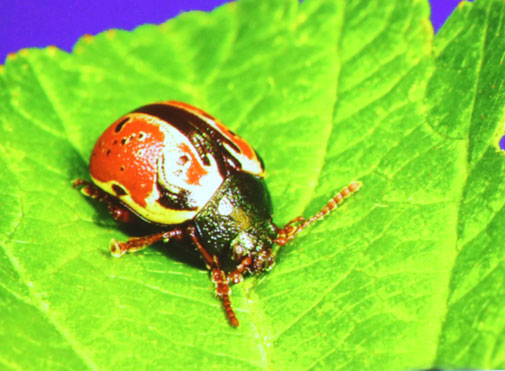
Ninebark Leaf Beetle; Photo by Ted C. MacRae
Ninebark Leaf Beetle, one of the most specific, relies on a single plant: Ninebark. It is not common to see, so Ted suggested visiting the Victoria Glades Conservation Area in spring and looking closely at Ninebark plants there. In fact, he suggested visiting Victoria Glades, near De Soto, in spring and summer to search for many hard-to-find bugs.
Goldenrod Leaf Miner: Feeds on goldenrod
American Lady Butterfly Caterpillar: Feeds on pussytoes
Mallow Caterpillar: Feeds on hairy rose mallow
Gulf Fritillary Caterpillar: Feeds on foliage of maypop
Pollinators
Native Bumblebee
Spicebush Swallowtail Butterfly
Flower Longhorn on flowers of wild hydrangea
Jewel Beetle on flower of eastern bee balm
Tiny ant mimicking long horn beetle on flowering dogwood
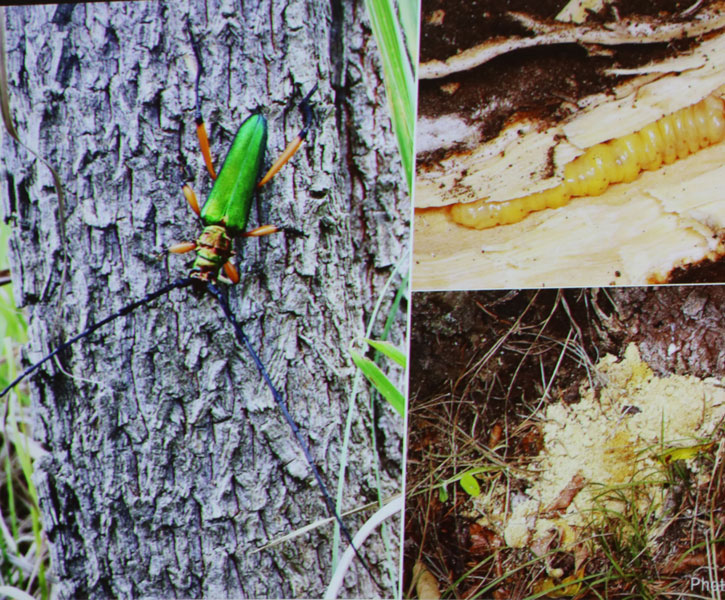
Bumelia Borer – North America’s most beautiful longhorned beetle.
Photos by Ted C. MacRae
Woody Plant Specialists
Ninebark Borer – breed in dead wood but the larvae bore through stems of living ninebark
Jewel Beetle – bores through stems of living rose mallow
Elderberry borer – bore exclusively through the stems and roots of living common elderberry
Amorpha Borer – bores through stems of live false indigo; adults prefer the flowers of goldenrod and snakeroot.
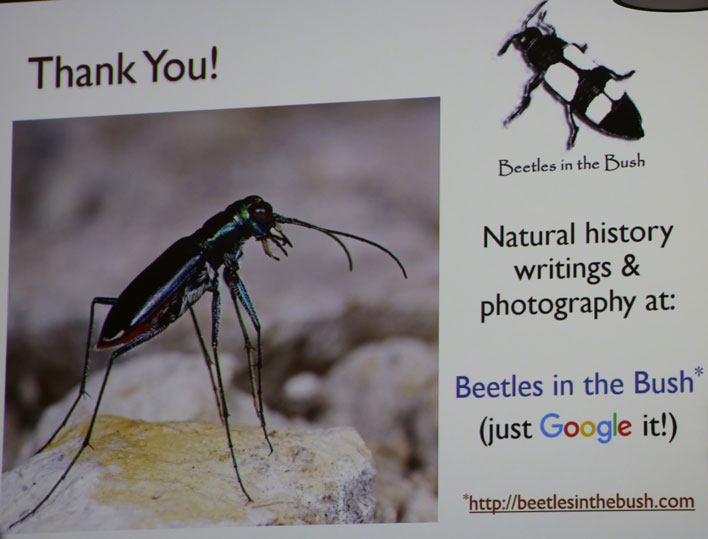
For more information about Ted’s writings and research visit his website, Beetles in the Bush.