The joys of a native plant yard in winter
By Fran Glass My winter garden is a delight to me. Outside my front window little bluestem (Schizachyrium scoparium) and prairie dropseed (Sporobolus heterolepis) sway in the breezes. I especially appreciate these grasses when rain keeps me indoors. The amber grass movement is fascinating. When sunshine arrives, rain drops hanging…
Native Plant School newsletter – December 2015
The December edition of the Native Plant School newsletter contains topics on: Burning Bush Invasion Gardening Tips De-icing Can Harm Plants Weevils Love Wild Indigo Seeds Where Do Butterflies Spend the Winter? Guess The Plant Come for a Visit this Month How to Provide Water for Birds When the Birdbath…
Four reasons to try maple sugaring
Photography tip #1 – Sometimes close is too close
Seedling identification resource
Eastern Illinois University has an online database titled, Prairie Restoration: A Digital Aid Featuring Seeds, Seedlings, and Fruit with plant lists by species and by common name. The link has been added to the STL Wild Ones website resource page, which contains information and/or links for: Organizations A Native Landscaping Manual…
Native Plant School – Jan to July 2016
The Native Plant School, co-sponsored by St. Louis Wild Ones, is a year-round series of mostly outdoor learning sessions in the Whitmire Wildflower Garden at Shaw Nature Reserve. They will cover various aspects of native home landscaping, flower arranging, and woodland/prairie/savanna/ re-establishment. Please bring your questions, comments, photos, drawings, plant…
Illinois Audubon requests landscaping tips
From Kathy Wright The quarterly Illinois Audubon Society (IAS) magazine is adding a new feature and is looking for volunteers to write 25-word, seasonally-appropriate landscaping tips. The magazine editor, Kathy Wright, provided these basic guidelines: Submit approximately 25 words/tip. Tips may be edited by technical experts and the IAS editor….
November meeting minutes
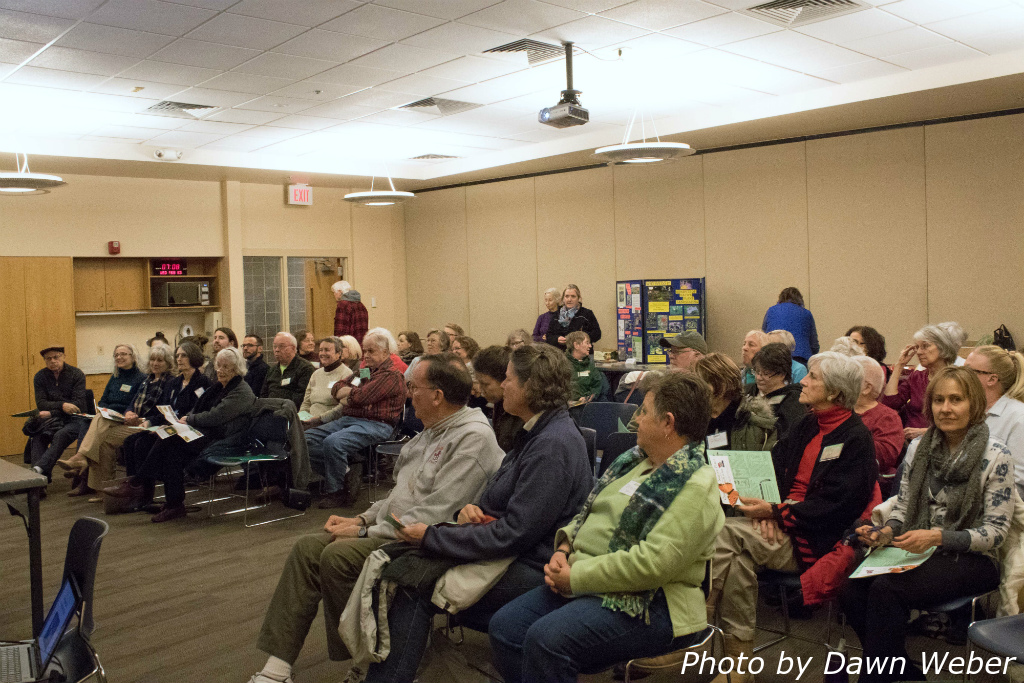
November 4, 2015 Thirty-two members and six guests attended our annual potluck dinner and seed exchange, held at The Heights community center of Richmond Heights. Copies of our chapter membership list were distributed. President Ed Schmidt invited us to join in the discussion of what to do in your yard…
Milkweed’s toxins protect butterflies
By Marcia Myers Not only does this amazing plant act as a nursery, provide nectar, and serve as an important food source, it provides extra protection from predators. Both monarchs (Danaus plexippus) and queen butterflies (Danaus gilippus) store cardenolides, toxins obtained from their milkweed (Asclepias spp.) diet. Why aren’t the butterflies poisoned? Monarchs…