Native Plant School – April 16, 2026
Native Spring Tonics and Greens at Shaw Nature Reserve
Summary by Jen Sieradzki, Manager of Native Plant Horticulture for Shaw Nature Reserve
Our instructor for the April 2026 Native Plant School class was Dr. Kate Farley. Kate has a PhD in cultural anthropology from Washington University in St. Louis and now works at the William L. Brown Center, an endowed center of the Missouri Botanical Garden. Her ethnobotanical research specializes in the Appalachian and the Ozarks regions.
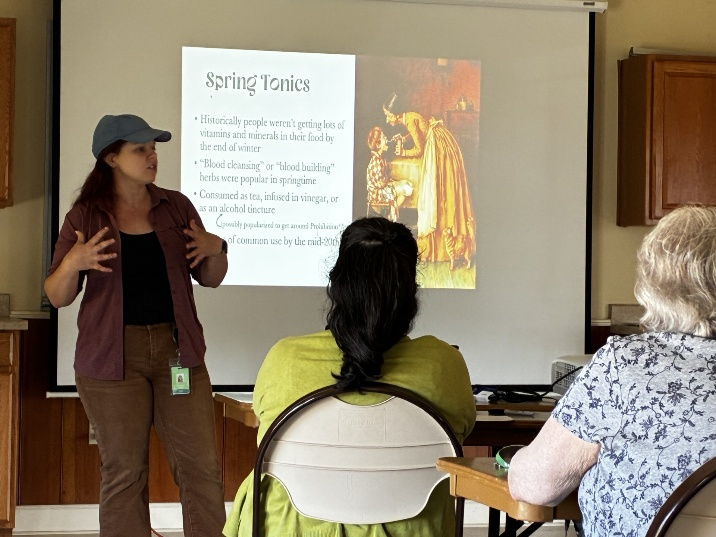
Kate started by sharing a historical background on the Ozarks region. Rugged terrain and poverty meant it was hard to get access to conventional medicine. Often, medical care was with homemade herbal remedies, often with garden plants or wild foraged plants. Rural “Root Doctors,” “Yarb Doctors,” and “Granny Women” provided care for complex health problems. These practitioners included many native plants that were accessible to these rural communities.
Why were herbs so important in the spring? Historically people were not getting enough vitamins and minerals in their food by the end of winter, because they were reliant on food gathered, grown, or processed the previous year. “Blood cleansing” or “blood building” herbs were popular in springtime, and consumed as tea, infused in vinegar, or as an alcohol tincture (popularized to get around Prohibition??)
Creating spring tonics was a way of getting vitamin C and iron back into their diets. Some plants, such as mayapple root (Podophyllum peltatum), were considered a purgative and a way to cleanse your system after a long winter. We now know that all parts of the mayapple plant are toxic, except for fruit. Although, consuming purgatives was once considered frequent practice to purge the body of toxins from surviving on little fresh food over the winters.
These practices fell out of common use by the mid-20th century once people wanted more modern medicine practices. People wanted access to modern ideas and began to consider tonics to be a rural idea and typically something that people experiencing poverty or access would rely on.
Some historically important spring herbs included Poke (Phytolacca americana), Mayapple (Podophyllum peltatum), Sassafras (Sassafras albidum), Violets (Viola spp.), Pine (Pinus spp.), wild onions (Allium spp.), and spicebush (Lindera benzoin). It is important to point out that some parts of these plants can be toxic so the time of harvest, parts of the plants harvested, and preparation methods were particularly important to understand.
After Kate’s informative presentation, the class walked down to the Ozark Ethnobotany Garden located just south of the Carriage House classroom at Shaw Nature Reserve. There, a class of twenty-five people took a guided tour of the garden. Kate discussed many of the native plants that are highlighted in the garden and discussed some of the ethnobotanical uses of the species.
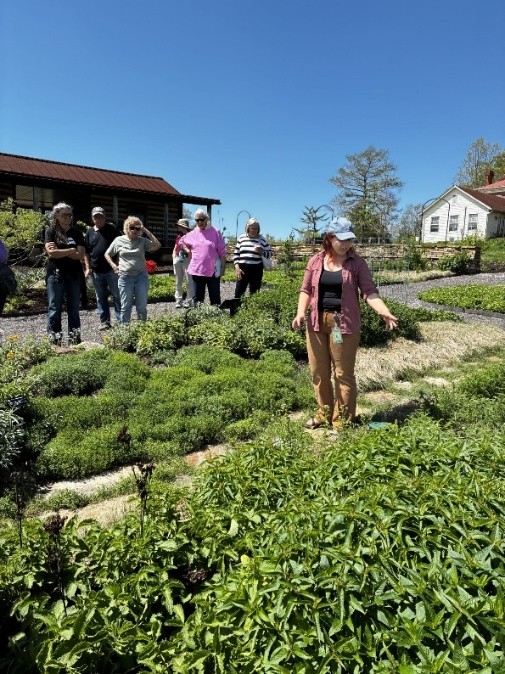
In the OEG we collected yarrow (Achillea millefolium), wild bergamot (Monarda fistulosa), beebalm (Monarda bradburiana), mountain mints (Pycnanthemum spp.), calamint (Clinopodium arkansanum), spicebush (Lindera benzoin), wild onion (Allium spp.), and wild strawberry (Fragaria virginiana). The class was the first group that was able to tour the interior cabins of the David Thornley Orthwein cabin!
We then returned to the Carriage House to make our own spring tonic infused vinegar

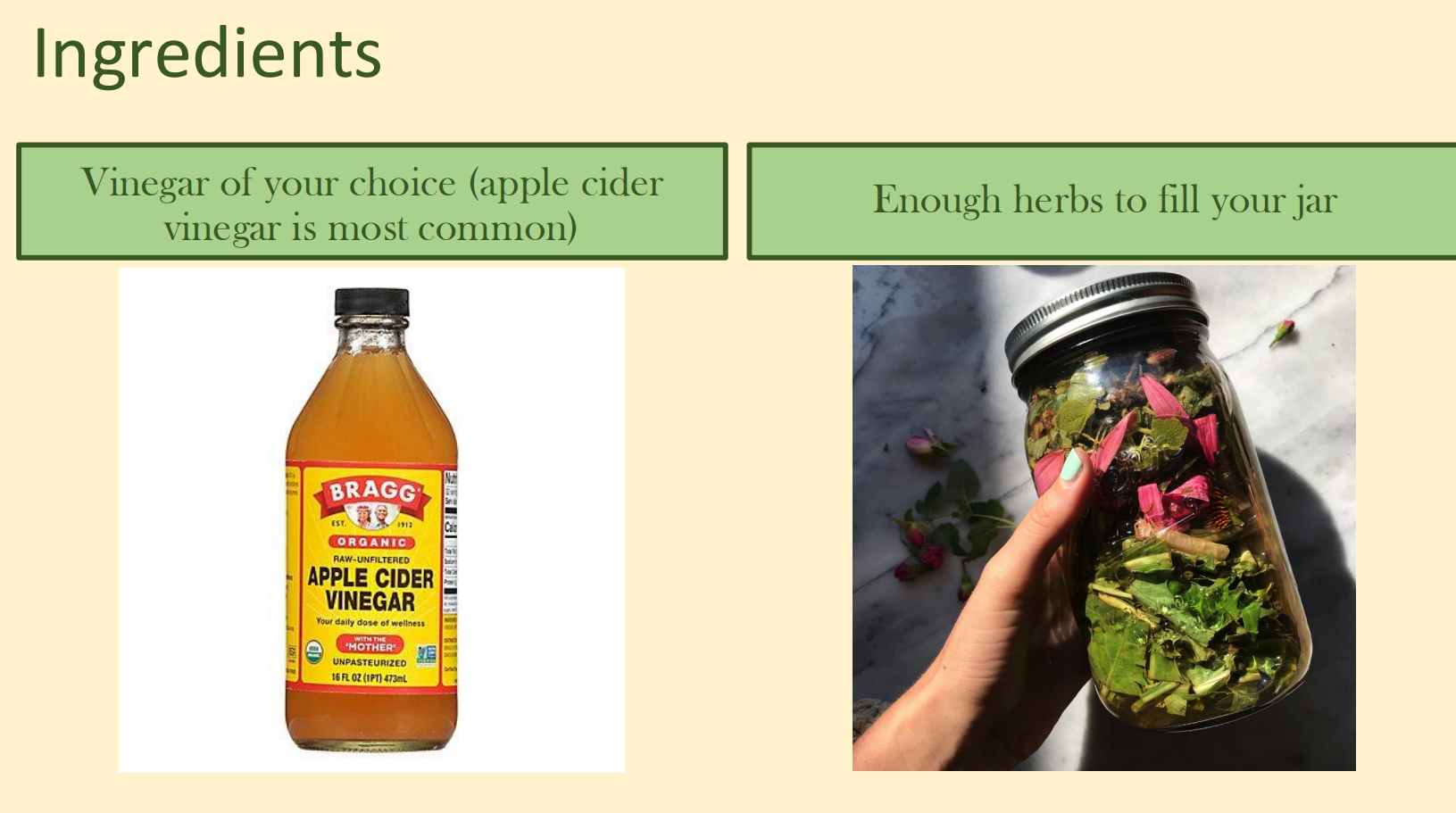
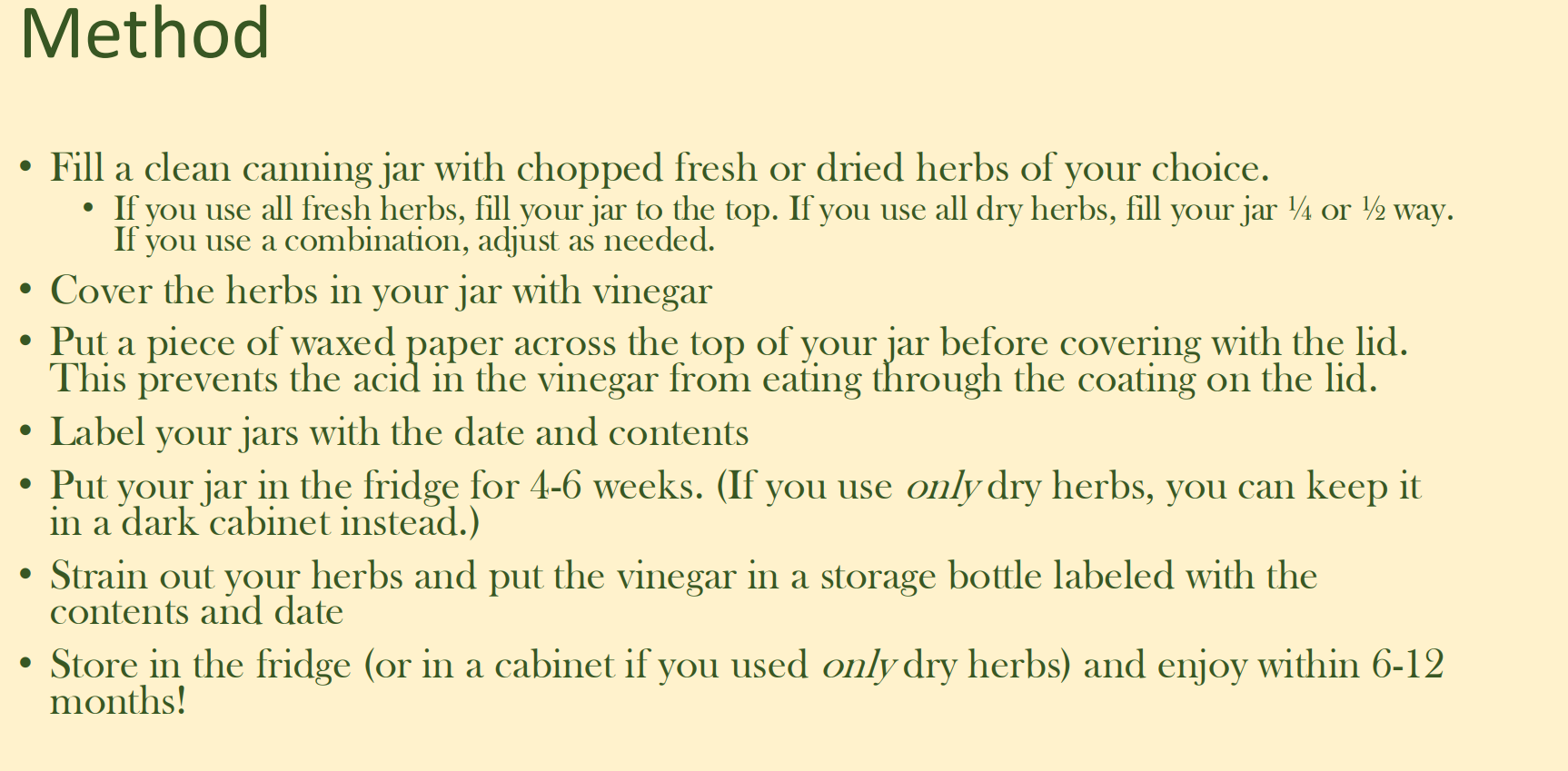
Kate discussed uses for your spring tonic: Use in salad dressing, straight as a tonic, add honey to make an oxymel, add fruit sugar and soda water to make a shrub, add sliced veggies and salt to make refrigerator pickles.
This class was a wonderful way for people to learn about how they can benefit from having native plants in their kitchen gardens and home landscapes.
Thanks to Wild Ones St. Louis for supporting such a hands-on and fun class about the amazing qualities of our native plant species!