Maintaining Wild Tips
by Besa Schweitzer, chapter member
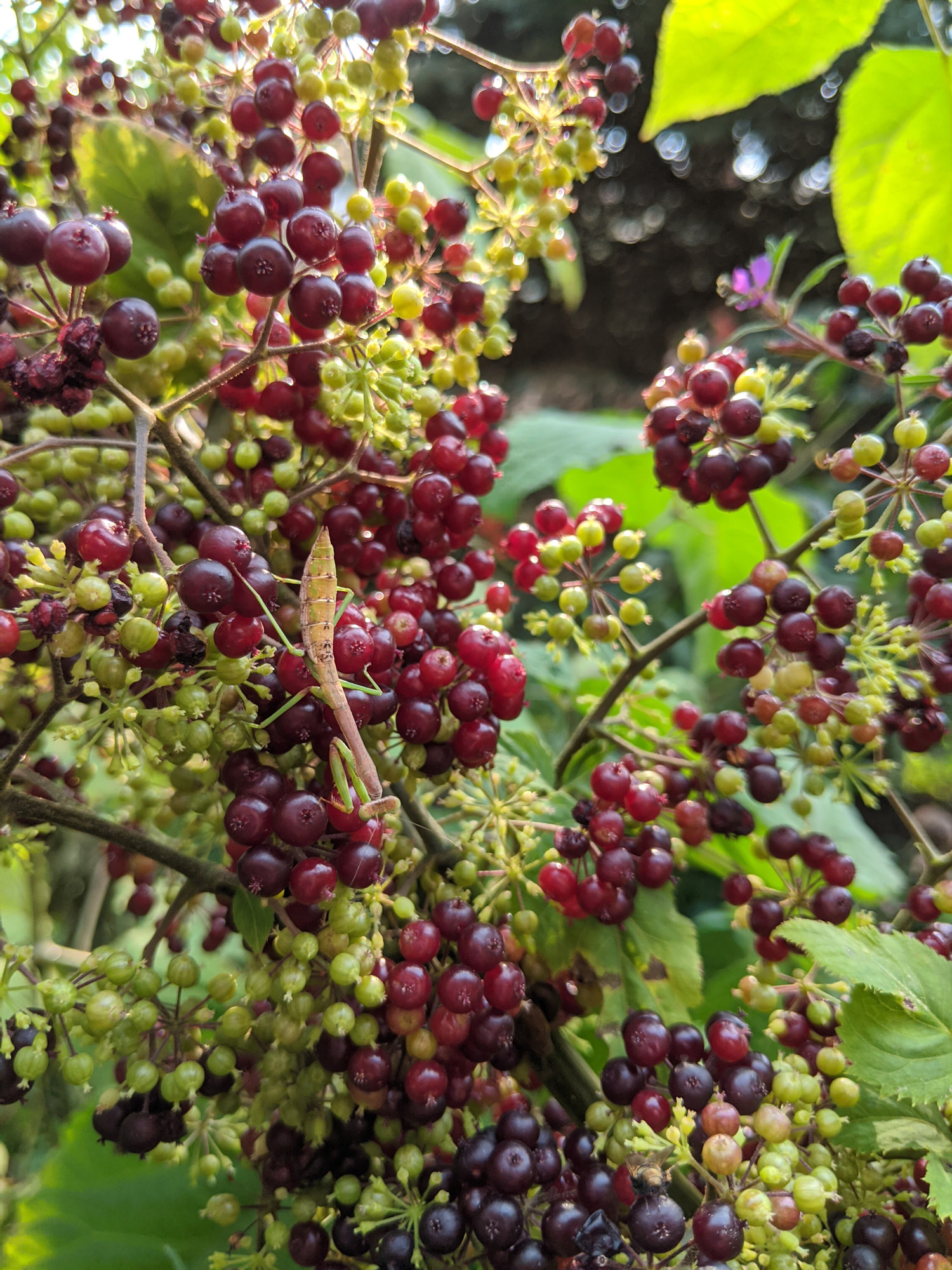
September tips
September is the beginning of the fall planting season. Fall is especially a great time for tree planting. Many trees and shrubs will become as wide across as tall, so plant them far enough away from structures and each other so they don’t get crowded. Branches invading the street or the neighbor’s property are likely to be mistreated which could weaken the tree from infections.
When planting a tree be sure to look up. Trees might be small when they are purchased but they need a lot of space to become healthy adults. When trees and power lines come into conflict, trees end up hurting from repeated pruning that leads to weak branches and early death. Know the mature full canopy size of trees and shrubs before planting and make sure they have enough space to grow.
Plant perennials and grasses September through October. Perennials, especially spring bloomers, can be divided now to plant in new areas.
Design flower beds so something is always blooming. Native bees typically forage in an area from 500ft. to a half mile. Placing pollinator plantings within 500ft. of each other and nesting sites ensures that all bees can find the resources they need. Pollinators find it easier to locate and forage on large (3′ or larger) groupings of their preferred plant. When flowers are close together a bee uses less energy flying between blooms and is more efficient at pollinating and foraging. To have a high diversity of pollinators, a high diversity of flowers must be present. Flower blooms should occur constantly throughout the year when insects are active.
Create an ecolawn by allowing a rich diversity of low growing flowers to bloom. Sedges, violets, strawberry, yarrow, poppy mallow, etc. can enrich a lawn that is mowed high and infrequently. To protect pollinators when mowing; use a flushing bar and mow at a slow speed and increased height to allow pollinators a chance to flee, avoid mowing at night and times when pollinators are active, and allow time between mowing for populations to recover.