 Maintaining Wild Tips
by Besa Schweitzer, chapter member
October tips:
Avoid fall clean up until April
It is not time for cutting down dead plant stems or raking leaves. Save these tasks for the spring. In the winter, the cover is needed by the birds and insects to survive the winter weather. Removing winter yard waste kills many insects like butterflies and deprives birds of places to hide from the cold and forage for seeds.
Add more asters
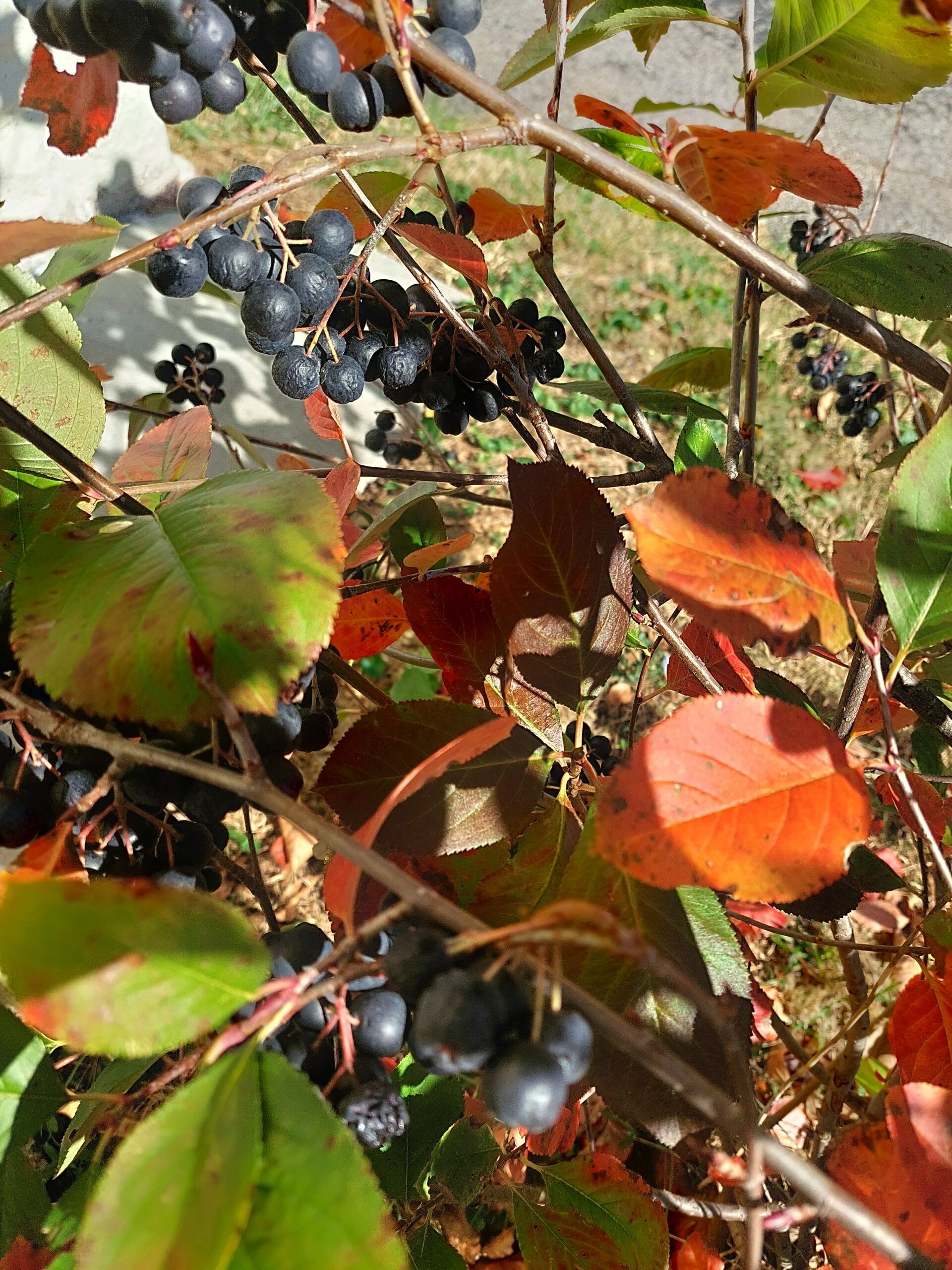
Asters provide food for a lot of caterpillars without even looking bad. They are host to American Lady, Cabbage White, Common Buckeye, Painted Lady, Pearl Crescent, Question Marks, Viceroy, Skippers, Sulphurs, Admirals, and Swallowtails. Since the flowers bloom so late in the season, Aster is a very important food source for migrating butterflies and last meal for bees. The fluffy seeds come after many other food sources have been depleted and migrating and overwintering birds depend on the seed for winter food. The fall leaf color is just as beautiful as the flower bloom but is often ignored in plant descriptions. Leaves turn color because of chemicals being left behind in the leaf after the chlorophyll has all been collected by the plant for winter storage. Migrating birds can cue in on fall color displayed as ways to locate patches of berries as they fly over. Attracting migrating birds is beneficial to the tree as the birds will carry the seeds to populate new lands.
Propagating Trees
Nuts or seeds of woody plants usually require exposure to 3 months of alternating freezing and thawing temperatures before sprouting. This may be provided by outdoor planting in the garden or in a cold frame in fall. Outdoor conditions can be mimicked by stratifying in an unsealed bag of damp peat moss placed in the refrigerator.
Tree planting
Container grown and ball and burlap trees and shrubs can be planted once they have dropped their leaves. Loosen the soil in an area twice the diameter of the root ball before planting. When placing the tree be sure that the root collar of the tree is at the soil level. Mulch well after watering, keeping mulch from touching the tree bark.